Lakewood neighbor Addison Seifert recalled discovering one morning that there had been four vehicle break-ins near him, two on his block and two more a block away.
“It just seems like every week now there’s multiple mornings where you wake up and you’re hearing this story over and over again,” Seifert said.
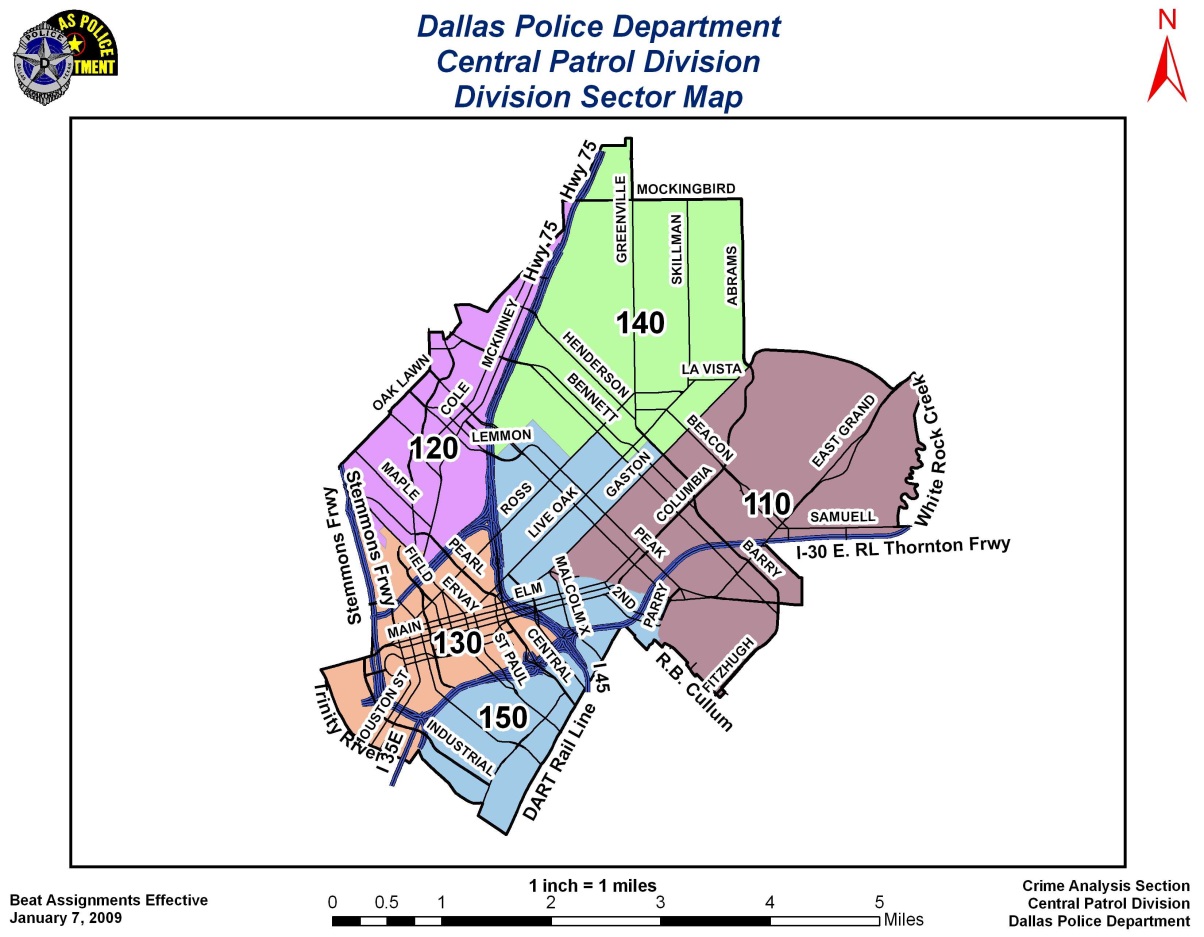
Maj. Brian Lamberson, who is over the Dallas Police Department’s Central Patrol Division, said at a virtual town hall meeting last week that there were 1,094 such crimes reported last year and 1,503 to-date this year in District 14, an increase of about 37%.
“A lot of it we’re seeing is from guns being stolen,” Lamberson said. “People are leaving things of value in their cars as well.”
Likewise, the Lower Greenville Neighborhood Association Crime Watch reported in its e-newsletter that out of 42 criminal incidents in August, 38 were related to vehicles, most of which were at residences.
“These incidents are often crimes of opportunity and can happen extremely quickly,” read LGNA Crime Watch’s newsletter. “Many of us have seen surveillance videos showing just how little time it can take for someone to break a window, rummage through a vehicle and leave. Please continue to remove all belongings from your vehicle, even items that may not appear valuable. Reporting is especially important because it gives DPD a more complete picture of where and how frequently these crimes are occurring.”
As a whole, Central Patrol Division (which includes Lower Greenville, Lakewood Heights, Lakewood Hills, the M Streets, Old East Dallas, Deep Ellum, Mount Auburn and Hollywood/Santa Monica, plus Downtown, Uptown and the Cedars) has had the biggest increase of these offenses compared to all the other divisions, Lamberson said.
In response, officers are targeting certain areas, like the M Streets and Greenville Avenue area, and have been making arrests on a weekly basis, Lamberson said. Suspects, most of whom have not been arrested before by DPD for this kind of offense, are coming from all over the Metroplex, and these burglaries are typically happening all day long, particularly between midnight and 5 a.m. and in the afternoons.
“Every weekend, we have bait cars deployed out there,” Lamberson said. “We have officers in covert capacity that are in areas looking for it, and then we’re also utilizing overtime to put uniformed elements in other areas for deterrence.”
The biggest advice the major had for neighbors is to take anything of value (guns, golf clubs, computers, etc.) out of their vehicles at night or do their best to hide it. Putting stuff in the trunk can be helpful because it may be more difficult for a thief to pop a trunk rather than bust a window, but people out shopping can also be targeted if a thief sees you putting something of value in the trunk. More burglaries happen in parking garages and on the street, so parking in the driveway is recommended.
Other deterrents include security cameras with automatic lights and security film applied to vehicle windows, Seifert said.
Seifert’s perspective comes from being a neighbor but also being owner of Mister Glass, where vehicle break-ins make up about 10% of his business. He added that garage door remotes and key fobs are also being taken.
“Definitely this year, there’s been a large uptick in the tempered glass, which is the side windows, as a result of break-ins versus windshields,” he said.
Seifert has noticed that SUVs and trucks seem to be targeted, perhaps because thieves think these vehicles are more likely to have guns inside.
“One of my buddies has a Toyota Tundra, and those are made in Texas. The vehicle comes with like a Texas flag on the back glass that says like, ‘Made in Texas,’” he said. “People breaking into these cars think, ‘Oh, this is a big truck; this is someone that’s got a lot of Texas pride,’ because they see these bumper stickers on here and stuff like that, even though they come with the vehicle, and they assume this person is way more likely to have a gun in their vehicle than someone that’s driving a Prius, for example.”
And if they’re successful in finding what they want without issues, they may have a reason to keep targeting the same neighborhoods, Seifert said.
In an NBC DFW article from last month, one victim in Lower Greenville said their vehicle was broken into despite not having anything of value in view. Lamberson said there wasn’t enough information on how prevalent this is, and these burglary of motor vehicles offenses may be underreported.
“The thieves are going to assume the vehicle is locked, and it takes about five seconds to put a screwdriver into your door panel and pop the glass,” Seifert said. “While it makes perfect sense, ‘Let me just leave my door unlocked because it’s going to prevent that person from breaking my glass if they can just open the door,’ but at 3 in the morning, in our experience, that’s not what these guys are thinking about. They just want to make it quick and pop the glass, look in there real quick, and then move on.”
Calling 911, including to report suspicious people checking car doors, and submitting doorbell camera footage can be helpful to police investigating these crimes, Lamberson said. Having serial numbers for your valuables can also be useful in finding stolen items.
“Use 911 every time. If there’s a car break-in, I need it to be reported,” the DPD major said. “It’s going to blow my numbers up, I understand, but I’m OK with that in that it helps me put my resources where I need to be.”