A piercing whistle ripples across the eastern shores of White Rock Lake.
Faint, rhythmic chugs rumble closer and closer to the ear. Runners leave trails to get a closer look.
Photography by Lauren Allen
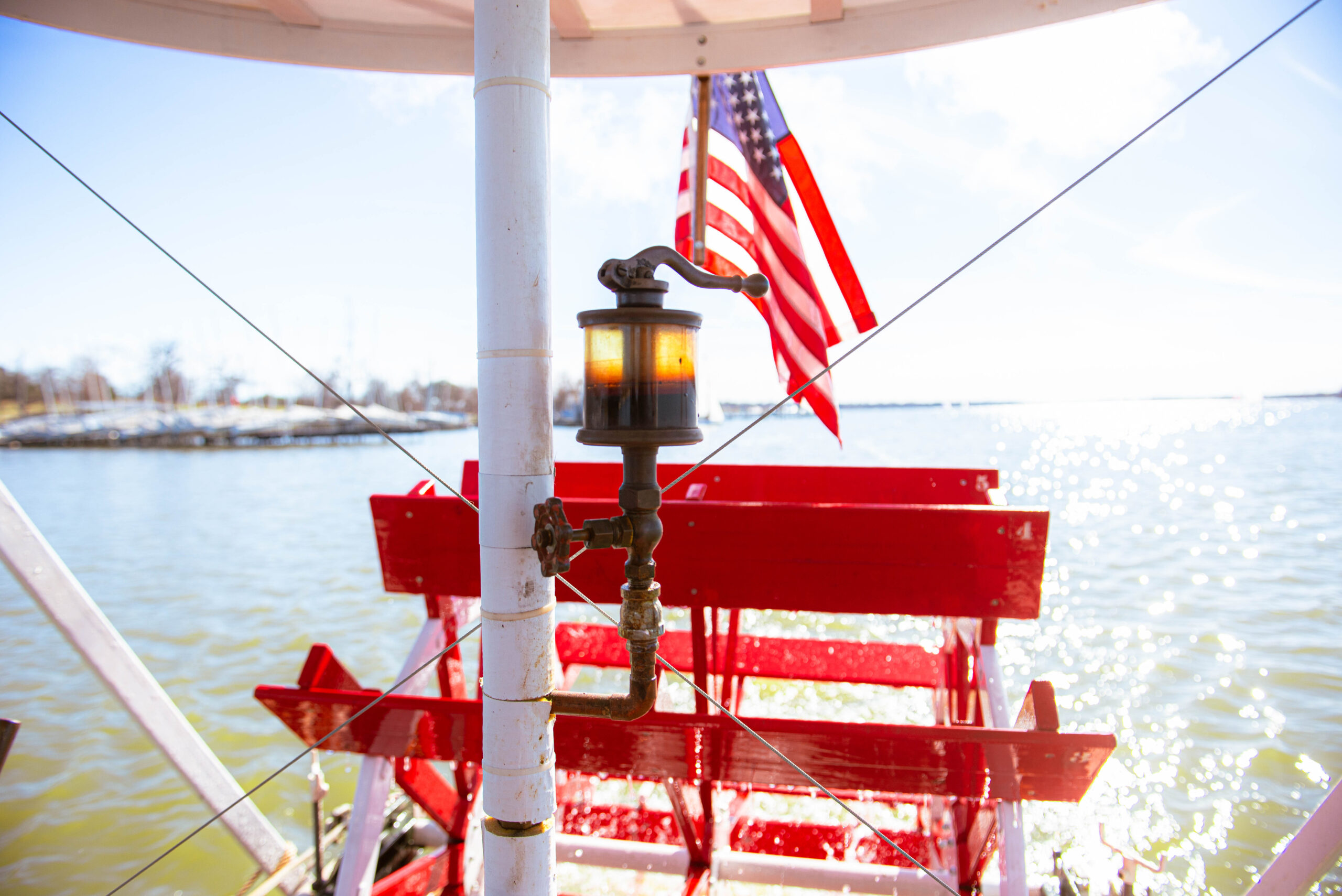
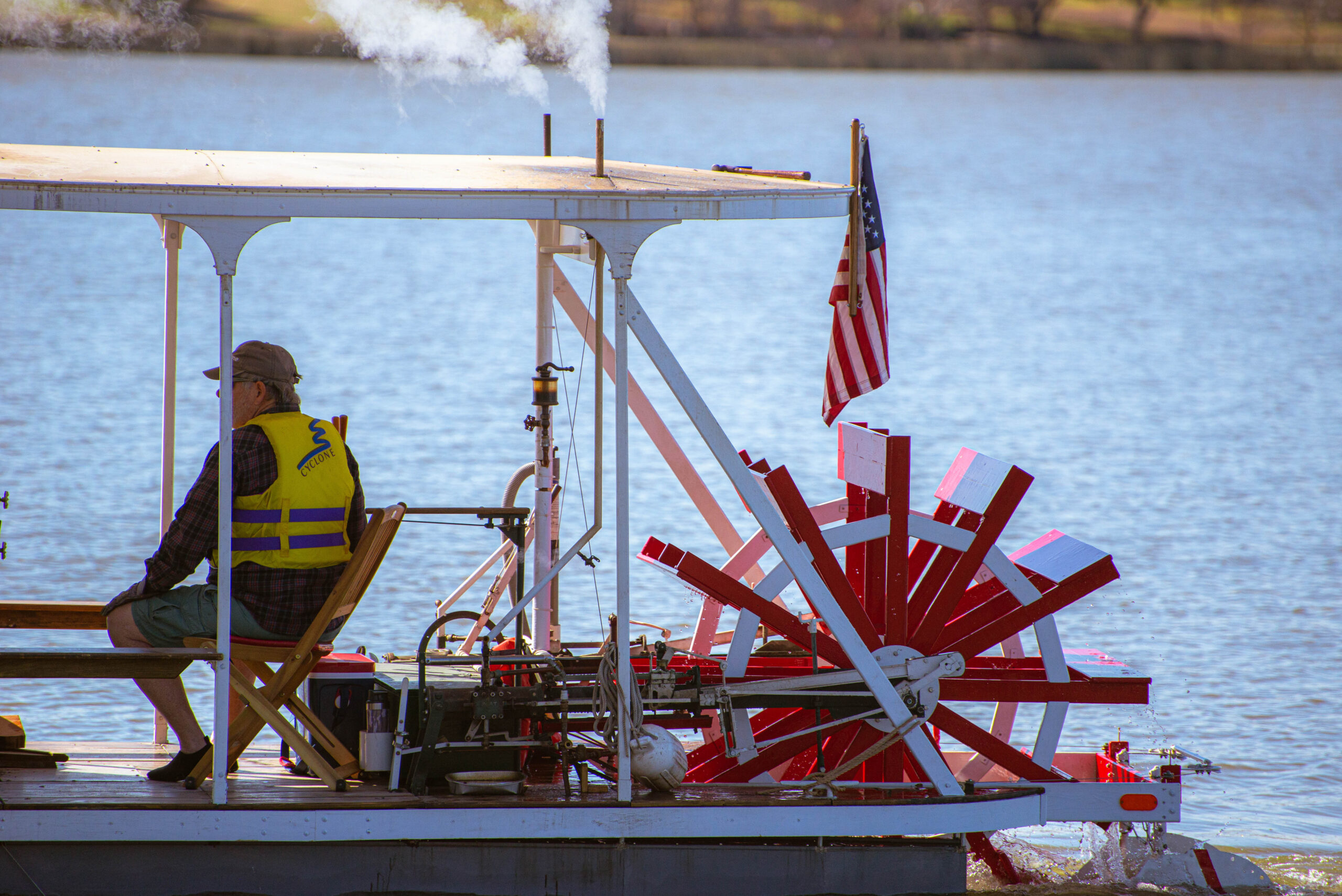
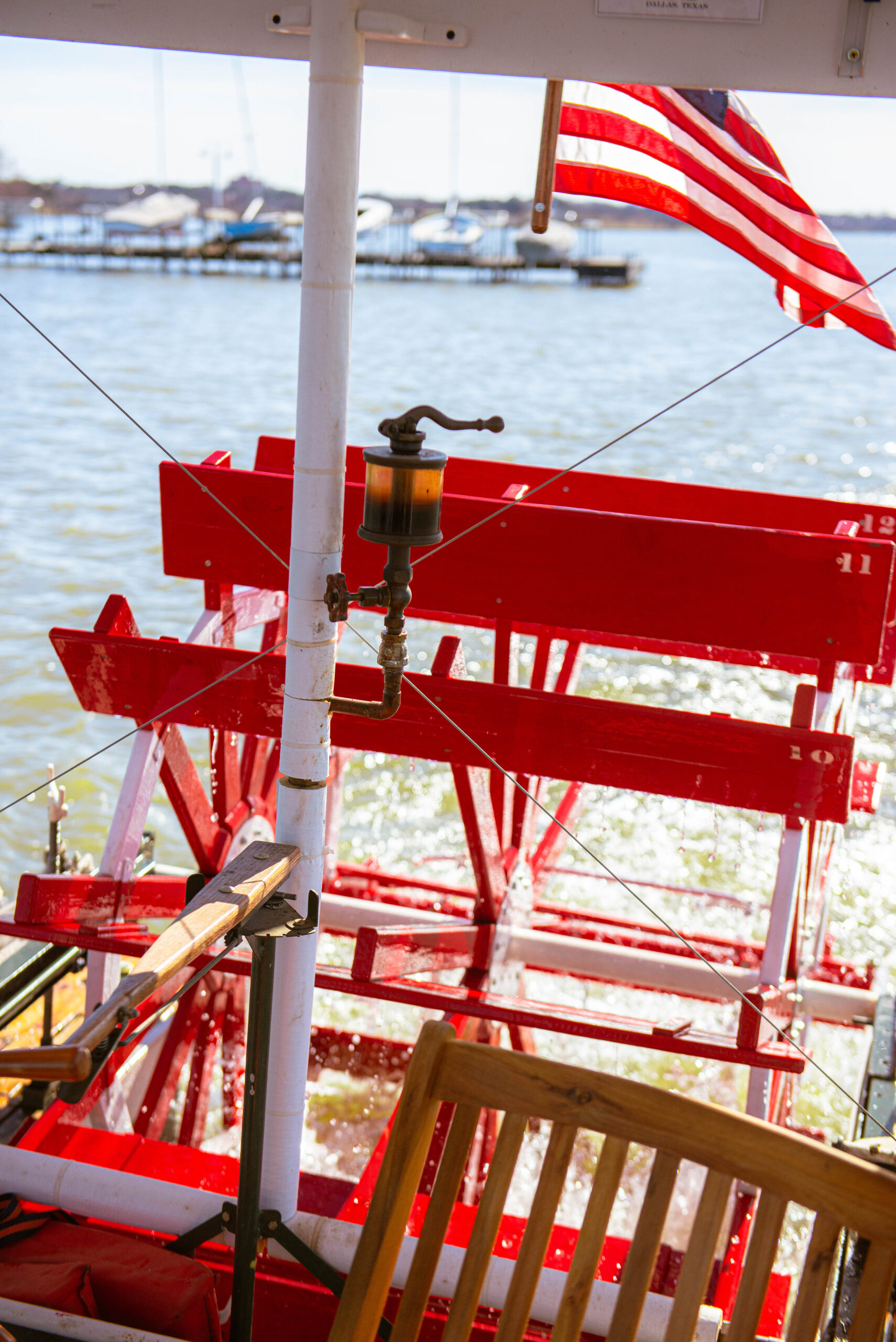
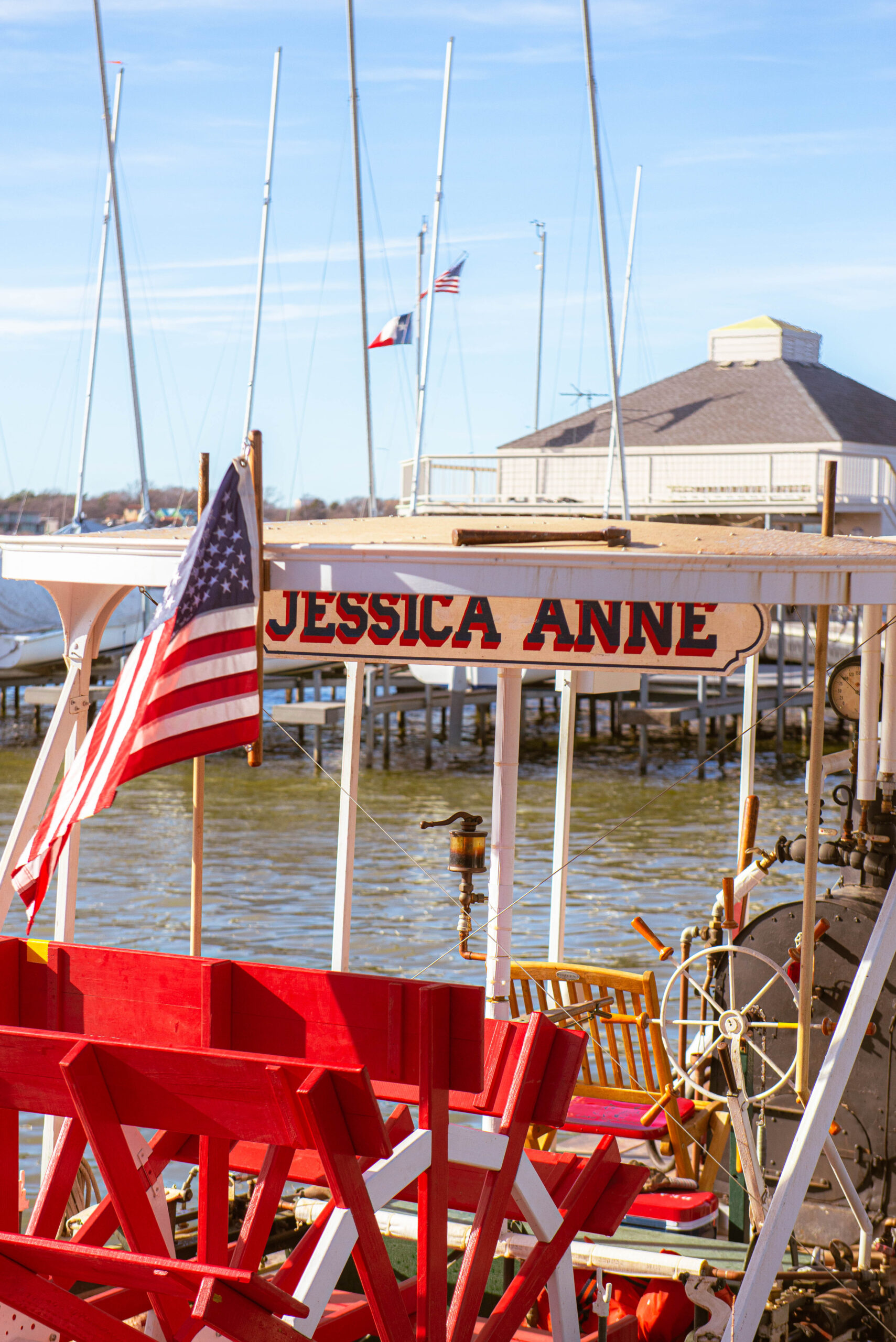
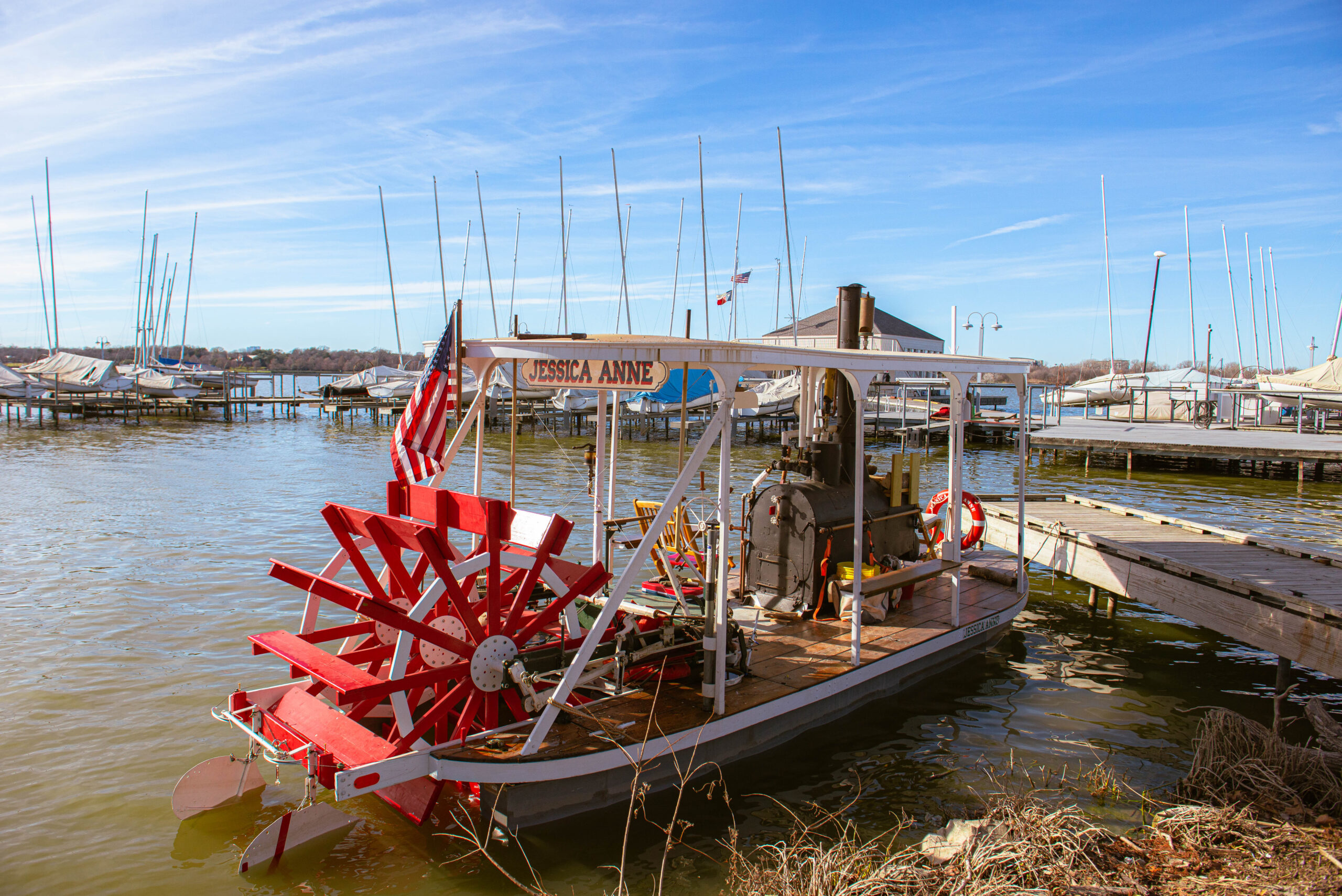
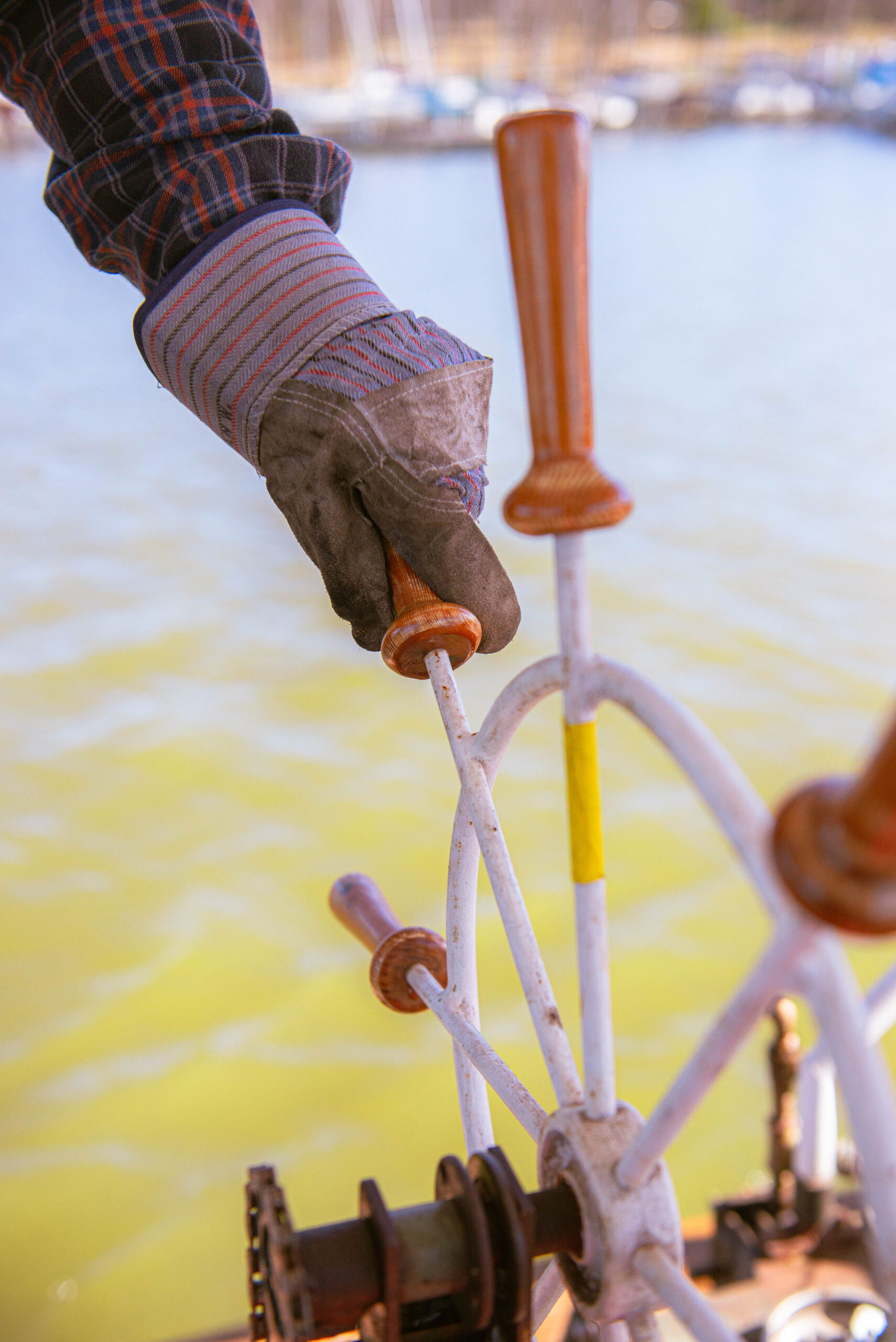
As he lets the boiler release pressured steam with a deafening hiss, Lake Highlands neighbor Dean Smith cruises by in his 22-foot-long steamboat. Fitted with a bright red paddlewheel that propels up to 4 miles per hour, near-deck length canopy and twin rudders, the Jessica Anne takes on the shape of a Mississippi River boat ripped straight from the pages of a Mark Twain novel, albeit much smaller.
“As far as I know, this is the only steamboat of its size in Texas,” Smith says.
The Jessica Anne made its first appearance on White Rock Lake in May. Its first voyage, however, took place almost a half century ago on Lake Ray Hubbard.
Smith and his father Cole, a highly-respected architect, built the original body together in the ’70s. Cole had grown up in Topeka and worked part time in a locomotive shop for the Santa Fe Railroad, which sparked an interest in steam-powered engines. One of their first projects led them to build a three-car steam-powered mini locomotive set on tracks 16-inches wide on their Garland property. Dean taught himself to weld, while his father specialized in bending and forging metal parts.
“My dad was really good at sketching and had a real good eye for proportions and all that. And so we would make all these sketches and stuff. Everything we built, it wasn’t like there wasn’t any failure. And stuff that we built, there were some things that didn’t work out quite right, and we just tried something else.”
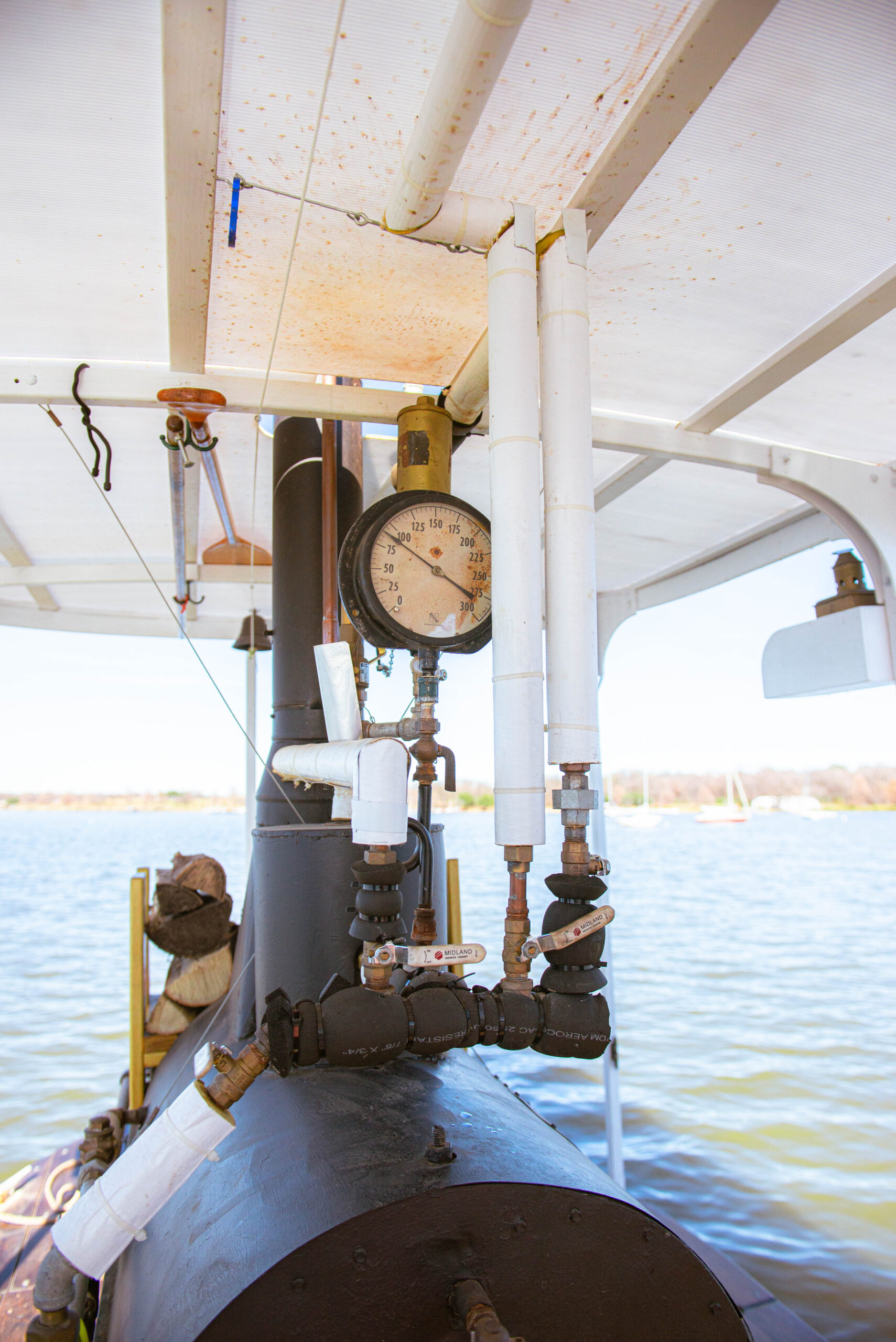
The boat began as two pontoons laid in Smith’s backyard. From there, the pair framed the hull and laid a plywood deck. Their metalworking skills came in handy when it came time to assemble the pipe system inside the boiler. Working out of a well-equipped workshop, they tamed yard after yard of 1-inch steel pipe into a complicated system of tubes and gauges designed to pressurize and capture the steam necessary to power its 12-float propelling wheel.
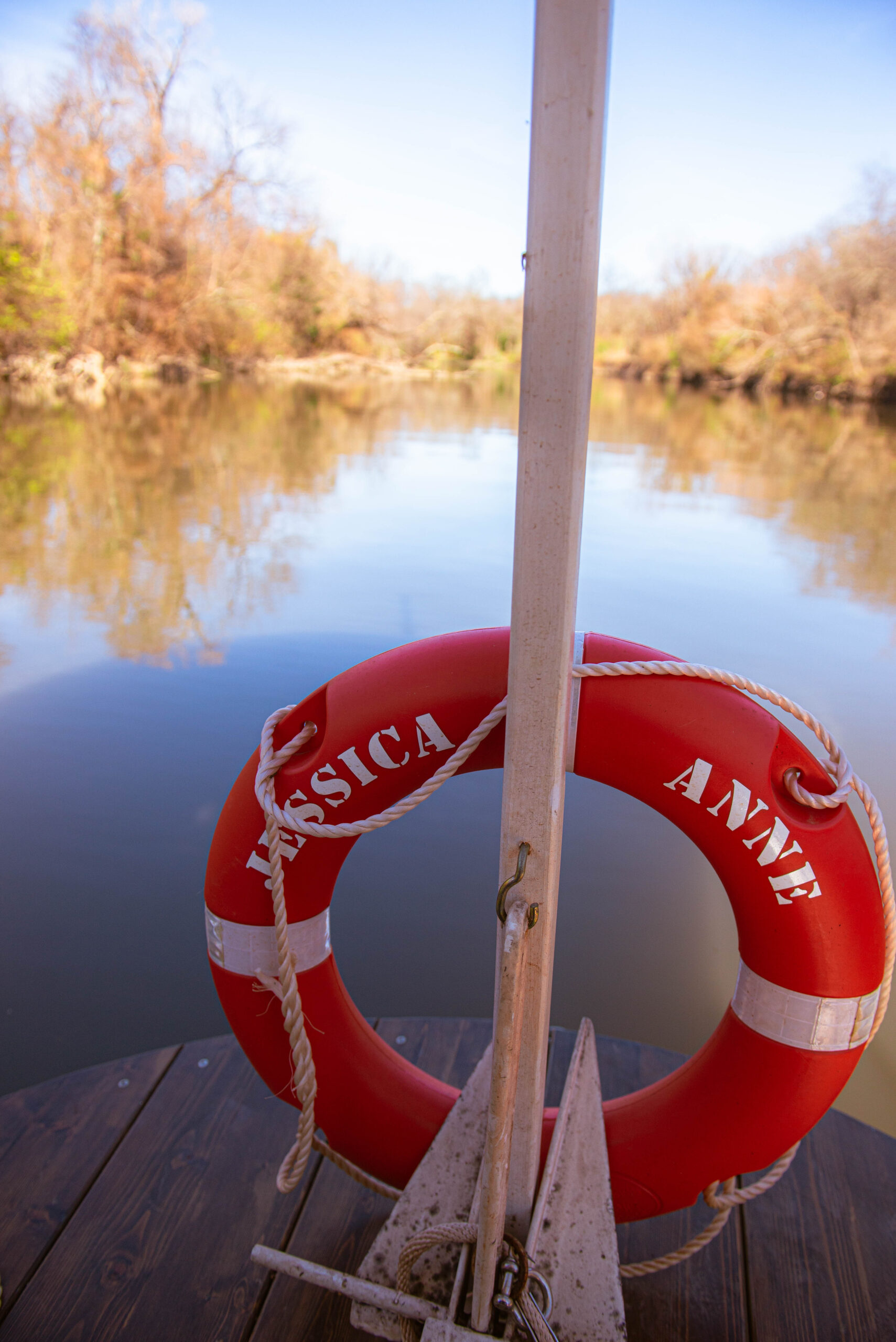
Dean and his father named the boat for his niece, Jessica. Anne, his maternal grandmother, earned the second nod over his mother.
“There was a little bit of politics in that,” Smith laughs. “My mom, she thought me and my dad were a little screwy.”
After a few trips to local lakes, including a well-publicized stop at Cedar Creek covered by the local newspaper, the ship ran aground in Lake Ray Hubbard. Smith was out of the country at the time on an archaeological dig in Cyprus, so he isn’t too clear on the circumstances leading up to its decommissioning.
Eventually, the Smiths pulled Jessica Anne from the lake using a truck and some rope, leaving it to collect dust for the next three decades.
“My dad has always wanted to get it restored and all that. It never really happened. He passed away in 2019; that was kind of the motivation for me to rebuild it really.”
Over the last couple of years, Smith has made small improvements while restoring the boat to its former glory. A new paddlewheel slices the water at a better angle, he says, as the original engine sat “too low,” which left the wheel paddling deeper than needed. The pontoons were replaced. And instead of a plywood deck, Smith sourced construction-grade lumber from a jobsite in Hillsboro for the updated surface.
After years of work, the resurrected vessel made its first appearance last spring.
“It’s just the joy of it running,” Smith says. “Of course, the biggest satisfaction is here is something you built from scratch, and it actually worked. It’s pride in your work, and it worked pretty well. It’s not like you build a model or nothing against that. Build a model of something and then you just put it on the shelf.”
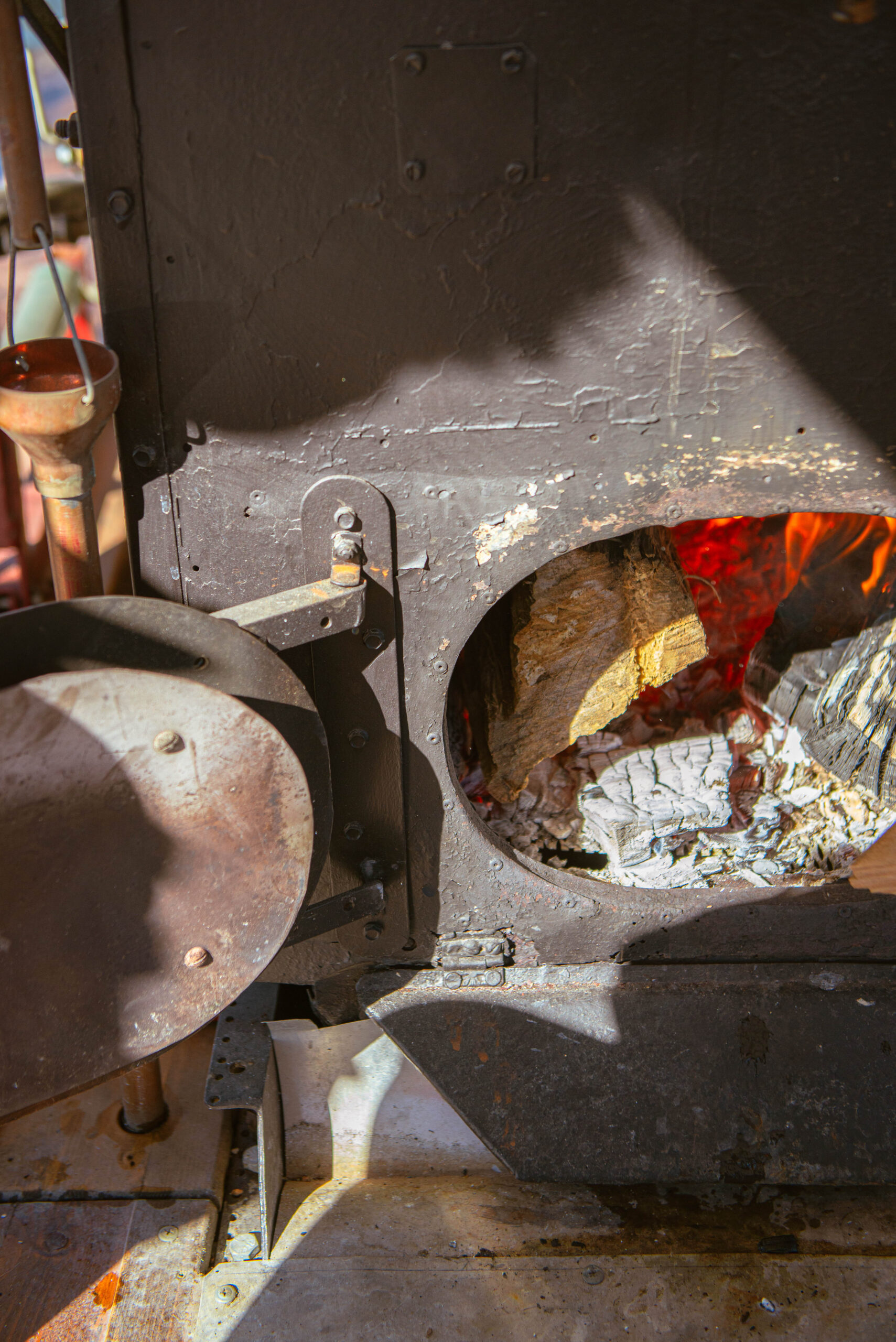
The steam powering the engine is created by pulling water from the lake, then heating it through the steel pipework in the boiler using thermal energy from a firebox. The goal is to create enough pressure (around 100 pounds per square inch) to kick start the engine, which is composed of an intricate lattice of metal motors and levers powering the paddlewheel.
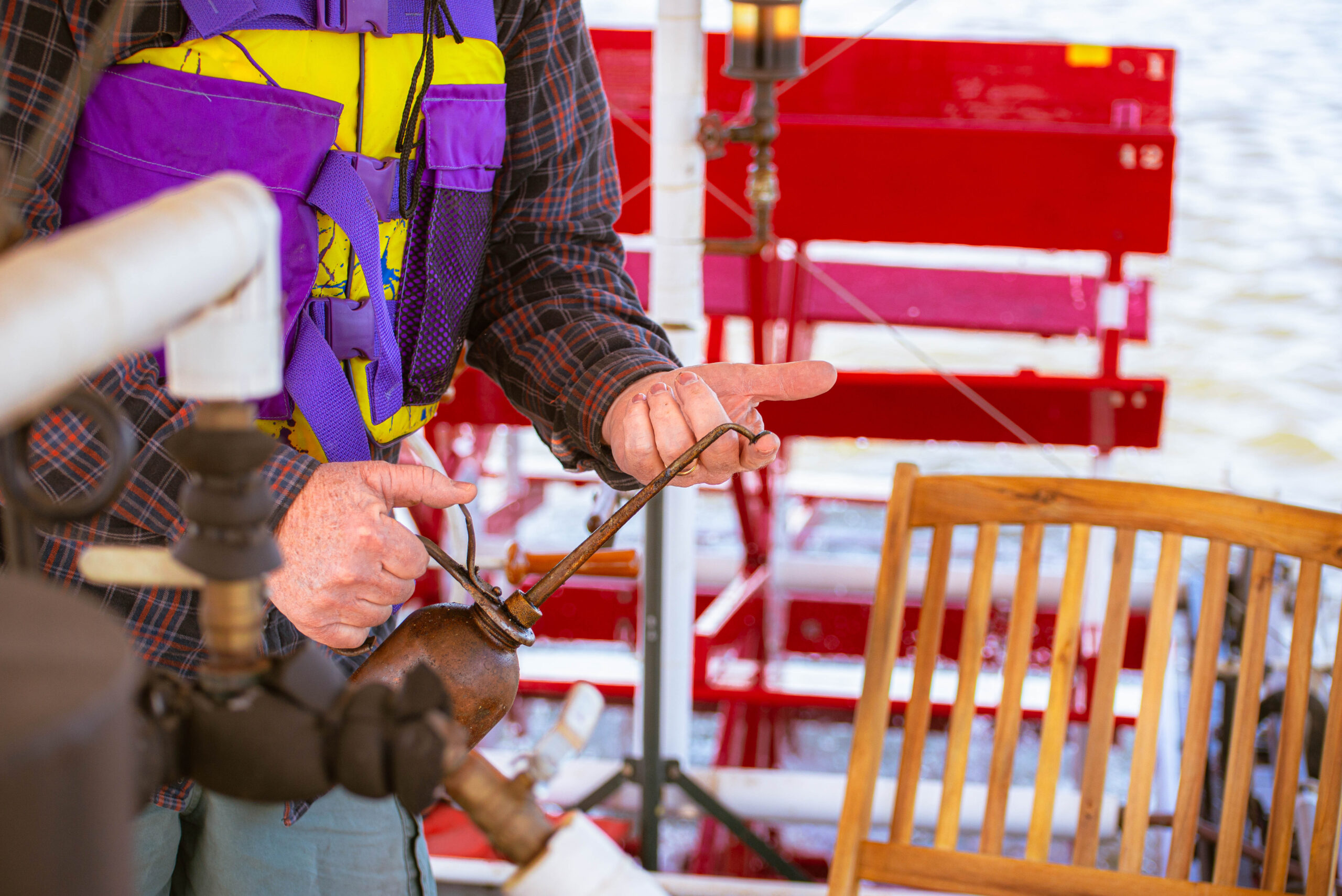
“The neat thing about a steam engine is it all kind of has its own personality,” he says. “All the parts and everything are exposed.”
He takes the boat out once or twice a month, with weather conditions being a deciding factor. When he takes it up White Rock Creek, he’s only about a half-mile away from his White Rock Valley home. While he normally brings some company for four- or five-hour boat rides, his most crowded trip came over the holidays, when eight family members piled on.
Most of the time, he says, reactions around the lake are mixed.
“Some people could really care less and other people just think it’s kind of a cool hobby.”
His son, who lives in Corpus Christi, enjoys taking the boat out and recently even brought a drone to capture aerial footage of their voyage.
The love for steam has been passed down through three generations. Dean says his father would be proud.
“I just know if he was here or if he’s able to see it from now, he would be most pleased,” Smith says. “And I just kind of wanted to keep the tradition going on.”